Not everyone takes to support straight away. For some participants, a new person in their space is something to be wary of, not welcomed. That is not a problem to be fixed quickly. It is a starting point to work from patiently.
Engagement is built, not switched on
You cannot rush trust. When someone has had support workers come and go, or has been let down before, they have good reason to hold back. Pushing harder rarely helps. What helps is showing up, being predictable, and letting the person set the pace.
That is why we keep the same small team around each participant. When it is the same face on Tuesday as it was last Tuesday, the guesswork drops away. The person is not re-reading a stranger every shift. Familiarity does a lot of the quiet work that makes engagement possible.
Start with what they enjoy, not what is on the plan
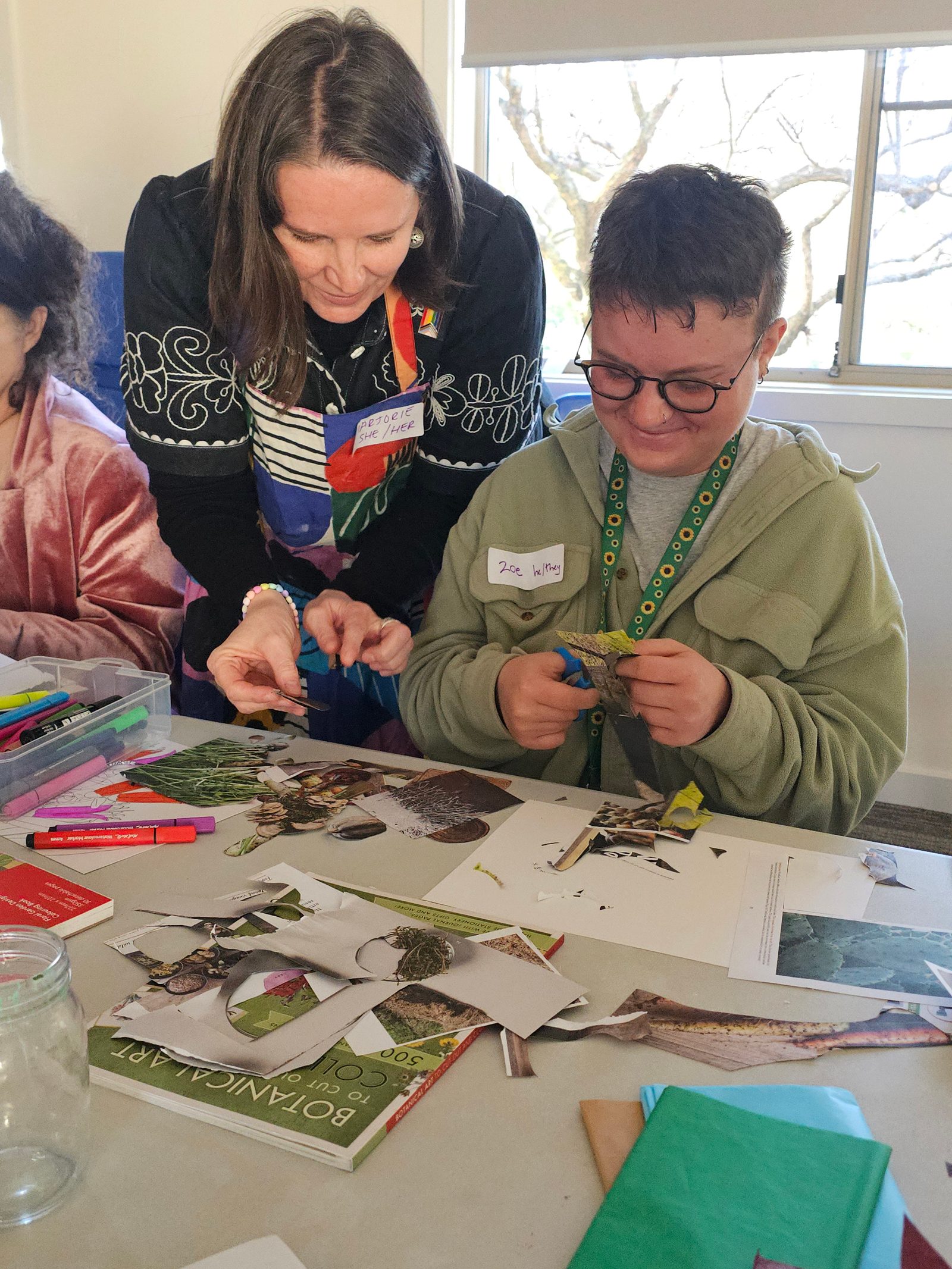
The fastest way in is usually something the person actually likes. A shared interest, a favourite spot, a creative activity, a walk somewhere familiar. Goals and plan tasks matter, but they land far better once there is a bit of trust to build on.
We pay attention to what lights someone up, even a little, and we start there. A person who will not sit through a structured session might happily spend an hour on something they chose. That hour is where engagement begins.
Small, consistent wins
Engagement rarely arrives as a breakthrough. It shows up as small things: a bit more eye contact, a shorter warm-up, a person suggesting the next outing themselves. Because the same workers are there week to week, those small wins get noticed and built on rather than lost.
If you are supporting someone who finds engagement hard, or you are a coordinator with a participant who needs a steadier approach, we are happy to talk it through. Consistency is the whole point of how we work.